
In a recent TikTok interview with Aian Guanzon of Global Dominion Financing, Inc., Thomas Mathai, Founder and CEO of Carbay, provided a candid look at the current Philippine automotive landscape. He shared three core observations regarding how the market is evolving for both dealers and buyers.

@gdfiofficial

KaPartnerInterviews: “I think some of the prominent Japanese brands are playing it fairly sensibly with the hybrid models that they introduce, which kind of caters to both segments, and gives the customer […] benefits that one could get through electrification in any case in terms of incentivization.” – Thomas Mathai, CarDekho Philippines – Used Car Finance CEO PwedePala KaPartnerMoSaPagAngat — Global Dominion Financing, Inc. is regulated by the Securities and Exchange Commission (SEC). For inquiries or concerns email info@gdfi.ph, text/call 09178272742 or 09688744068, or visit gdfi.com.ph. Global Dominion does not collect application fees. Study the loan Terms and Conditions in the disclosure statement before proceeding with any loan transaction. The views and opinions of the people in this video do not reflect the views of the company. Furthermore, the interviewees and any brands mentioned are not necessarily associated with the Global Dominion. The SEC may be contacted via phone (8-818-5990, 02-5322-7696, 0929-626-3095) or email (cgfd_flcd@sec.gov.ph, flcd_complaints@sec.gov.ph).

♬ original sound – Global Dominion Financing Inc. – Global Dominion Financing Inc.

1. Brand Loyalty Persists, But Preferences Are Evolving

While Filipino car buyers remain inherently loyal to Japanese nameplates, the specific types of vehicles they prioritize are shifting. Mathai noted that while brands like Toyota and Mitsubishi continue to dominate the consumer mindset, buyers are moving toward models that offer higher utility.

“Historically, Filipinos have been more brand conscious in terms of the types of vehicles or brands they prefer. The Japanese brands have predominantly dominated the market—the likes of Toyota, Mitsubishi, and others.”

MPVs and SUVs are gaining significant ground in the used car segment as Filipino consumers look for the flexibility and road presence needed for both personal and business use. As we discussed in our guide on car affordability in 2026, this shift toward functional, multi-purpose vehicles reflects a broader need for adaptability on the road.

2. Electric Vehicle Growth Is Structural, Not Temporary

Mathai argues that the rise of electric vehicles (EVs) in the Philippines is a long-term change in buyer behavior rather than a reaction to temporary fuel price spikes.

“Month on month, if you look at initial reports, 2025 data suggests there’s been significant growth in electric vehicle sales if you compare year on year—2024 versus 2025 versus Q1 of 2026. I don’t think that’s all solely attributable to the Middle East war.”

While after-sales support and repairability for imported EV units remain challenges, Mathai believes these are solvable hurdles as the market matures. His verdict remains clear: electrification is here to stay.

3. During Uncertainty, Focus on the Dealer

For Carbay, navigating market turbulence requires returning to the fundamentals: prioritizing the used car dealer as the core customer.

“Our core mantra was always focus on the used car dealer as a customer. Whenever there’s any kind of turbulence or uncertainty in the market, where we recenter our focus again is on the used car dealer as your main customer.”

This focus is driving the adoption of practical digital tools, such as digitized financing applications and API integrations with partners like Global Dominion. By providing real-time visibility into loan statuses, these tools allow dealers to close deals faster and provide customers with a seamless experience.

Posted on

3 Market Trends: Insights from Carbay’s Thomas Mathai

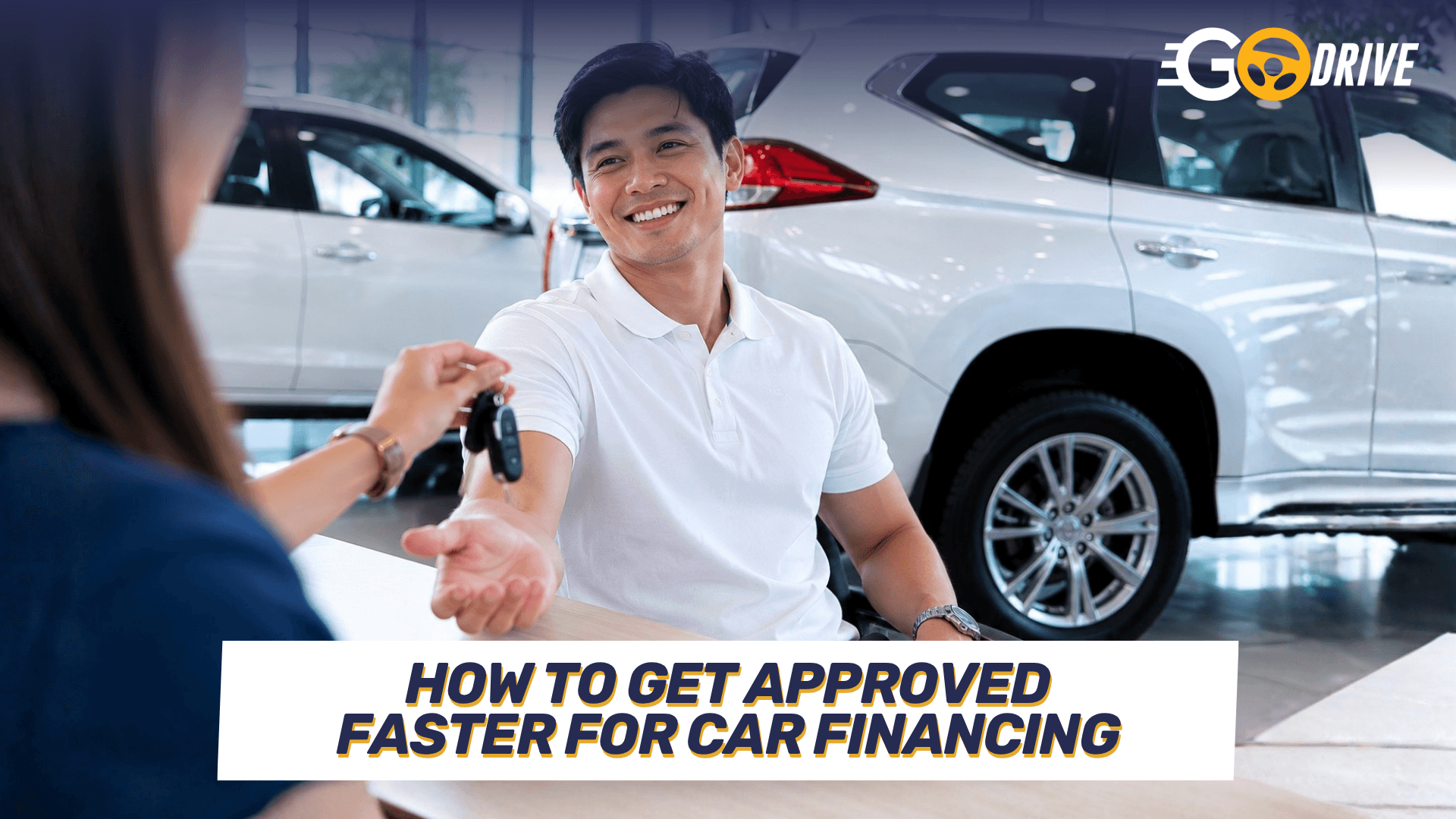
Owning a vehicle is a major milestone for many Filipinos. A personal car or truck provides day-to-day convenience for employee commutes, family trips, business logistics, and everyday travel. However, before navigating the showroom floor, you must secure approval for your car financing plan.

The good news is that the approval timeline can be shortened significantly if you prepare properly. By understanding the specific metrics lenders evaluate and organizing your records in advance, you can position yourself for a fast, hassle-free credit release.

Understand How Car Financing Works

Car financing allows you to acquire a vehicle through fixed monthly installment payments instead of exhausting your cash reserves upfront.

When you submit an application, financing companies examine your true financial capacity. The underwriting team specifically evaluates your net monthly income, current employment or business stability, existing monthly expenses, and overall credit history.

If your cash flows are steady and your application files are complete, the entire verification process moves much faster. Knowing these operational baselines helps you audit your own finances before a lender reviews them.

Strategic Factors to Consider Before Applying

Before initiating a car loan application, you must verify that the long-term amortization fits comfortably within your business or personal cash flow.

Calculate Your Safe Amortization Rate

Start by determining an absolute ceiling for your monthly payments. Financial planners generally recommend keeping total vehicle obligations under 20% to 30% of your net monthly income to prevent operational cash flow strain.

Maximize Your Down Payment

Your down payment is a critical lever for credit approval. Aiming for a 20% to 30% down payment rather than the absolute minimum drastically lowers the lender’s risk profile. On a P1,000,000 vehicle, putting down P200,000 instead of a minimal promo rate reduces your principal loan balance immediately. This directly results in faster approval turnarounds and lower long-term interest costs.

Pre-Assemble Local Documentary Requirements

Missing or unreadable documents are the primary cause of processing delays. You can bypass corporate bottlenecks by compiling an updated, digital folder containing these exact localized requirements:

  • Primary Government IDs: Two valid, government-issued identifications, preferably a passport, driver’s license, or PRC card.
  • Proof of Operational Income: Your latest three months of payslips or formal business financial statements.
  • Proof of Active Billing: An original utility bill (such as Meralco, Maynilad, or a post-paid telecom statement) showing your permanent residential address.
  • Banking History: Complete bank statements covering the last three to six months to prove cash flow depth.
  • Corporate Credentials: For entrepreneurs, your active Department of Trade and Industry (DTI) sole proprietorship registration or SEC corporate certificates.

How to Optimize Your Credit Standing

Lenders utilize your credit history to evaluate risk. If you utilize credit cards, personal lines of credit, or corporate capital loans, underwriting teams will verify whether you settle those balances on time. A consistent, clean repayment history builds trust and accelerates final loan sign-offs.

You can actively improve your local credit standing through a few practical habits:

  • Pay all credit card balances and existing utility bills before or on the exact due date.
  • Avoid applying for multiple loans simultaneously across different institutions, as this triggers hard credit inquiries that signal financial distress.
  • Maintain a steady source of income or keep your business bank accounts consistently active.
  • Keep your financial files organized and settle outstanding past-due balances immediately.

Even first-time auto loan borrowers can secure swift approvals by demonstrating these responsible, organized cash habits.

Drive Home Sooner with GoDrive

Securing car financing does not have to involve complex bureaucracy. Partnering with a dedicated automotive financial advisor makes the entire acquisition process direct, transparent, and convenient.

GoDrive supports aspiring vehicle owners by providing highly flexible financing solutions, end-to-end application assistance, and clear structural guidance throughout your vehicle purchase journey. For more automotive buying guides, vehicle updates, and strategic financing tips, follow GoDrive on social media to access targeted deals designed to get you on the road faster.

Posted on

How to Get Approved Faster for Car Financing in the Philippines

For many Filipinos, owning a vehicle remains a major life milestone because it offers personal comfort, scheduling convenience, and freedom from stressful daily commutes. However, in 2026, the intersection of rising fuel prices, higher vehicle manufacturing costs, and increasing living expenses has made car ownership more challenging than ever before.

Buying a vehicle is no longer just about meeting the upfront down payment; it requires comprehensive, long-term financial planning to ensure the asset does not overwhelm your monthly cash flow.

The Primary Cost Pressures of 2026

Navigating the modern automotive landscape requires a clear-eyed look at ongoing operational expenses.

Fuel Volatility and Rising Overhead

The continuous increase in fuel prices serves as one of the biggest challenges for motorists today. Daily drivers now spend a larger portion of their take-home pay at the pump, making overall transportation costs significantly heavier for working families and corporate professionals.

Because of this pressure, an increasing number of buyers are prioritizing fuel-efficient models, hybrids, and electric vehicles to protect their margins in the long run. If you find your current running costs climbing, reviewing practical adjustments like correcting bad driving habits that drain your fuel tank can help maximize your weekly mileage[cite: 8].

Higher Vehicle Acquisition Costs

Simultaneously, brand-new cars have become more expensive due to persistent inflation and elevated manufacturing costs. For the vast majority of Filipinos, purchasing a vehicle entirely in cash is unrealistic, making car financing the most viable path to ownership.

However, monthly amortizations today are also higher compared to previous years, driven upward by adjusting interest rates and institutional charges.

The Real Cost of Ownership Checklist

Before applying for automotive financing, prospective buyers must look past the monthly auto loan payment and calculate the total cost of keeping a vehicle on Philippine roads:

  • Monthly Amortization: The base cost of your auto loan installment.
  • Fuel Expenses: Weekly fuel consumption based on your regular routes.
  • Parking Fees: Monthly workplace parking slots and commercial parking fees.
  • Toll Fees: Regular expressway costs (such as SLEX, NLEX, or Skyway) if commuting across cities.
  • Maintenance and Repairs: Routine preventive maintenance service (PMS) and unexpected mechanical repairs.
  • Insurance Renewals: Annual comprehensive car insurance premiums.
  • Registration Costs: Yearly Land Transportation Office (LTO) registration renewals and emissions testing fees.

Why Private Vehicles Remain Necessary

Despite these intensifying financial challenges, demand for private vehicles remains robust because public transportation infrastructure remains difficult in many metropolitan areas.

Long commuter lines, overcrowding at transit hubs, and unreliable transportation schedules continue to push Filipinos toward private vehicles as a necessary measure for personal safety, health, and time management.

To balance this need for mobility with tight budgets, a growing segment of buyers is shifting toward the pre-owned market. High-quality secondhand vehicles provide a practical alternative, as they typically feature lower down payment requirements and more manageable monthly amortizations.

Is Car Ownership Still Worth It for You?

The answer ultimately depends on your unique financial situation and specific lifestyle parameters.

A private vehicle remains a highly justifiable investment if:

  1. You travel daily for essential work assignments or business logistics.
  2. Your residential or office location has limited access to public transport networks.
  3. You require safe, flexible, and emergency-ready transportation for your family.
  4. You can comfortably absorb the secondary monthly expenses without straining your savings.

If a new vehicle loan stretches your debt-to-income ratio too thin, the acquisition will likely cause more financial stress than everyday convenience.

Smarter financial planning is the definitive key to vehicle ownership in 2026. To access budget-friendly car options, practical financing tips, and the latest automotive updates in the Philippines, follow GoDrive on social media to build a sustainable path to your next vehicle.

Posted on

Can Filipinos Still Afford to Own a Car in 2026?

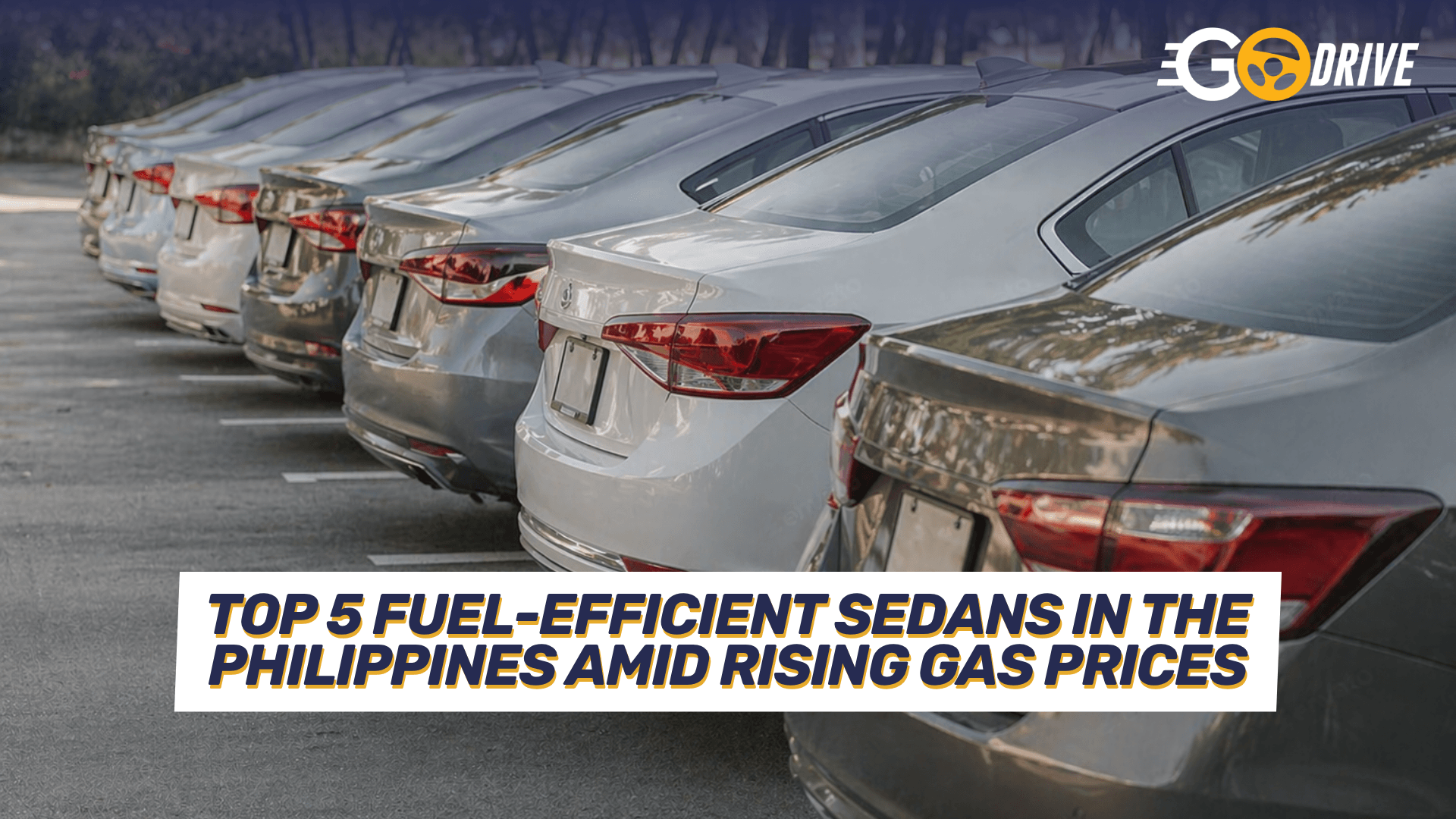
With fuel prices continuously rising in the Philippines, owning a fuel-efficient car is no longer just a preference, it’s a necessity. Daily commuters, ride-hailing drivers, and even small business owners are now prioritizing vehicles that can stretch every liter of fuel.

Sedans remain one of the smartest choices. They are lighter, more aerodynamic, and generally more fuel-efficient compared to SUVs and pickups.


If you’re looking to save on gas without sacrificing comfort and practicality, here are the top 5 fuel-efficient sedans in the Philippines you should consider.


Mitsubishi Mirage G4
If your main goal is to minimize daily fuel expenses, the Mirage G4 is one of the best options available. It’s affordable, easy to maintain, and perfect for city driving. This is especially ideal for students, first-time car owners, or TNVS drivers who rely on fuel savings for profit.


Toyota Vios
If you want peace of mind, the Vios is hard to beat. Maintenance is easy, spare parts are widely available, and resale value stays strong. It’s the ideal choice for those who want a dependable car that won’t drain fuel or your wallet over time.


Honda City
Choose the Honda City if you want a sedan that feels smooth, modern, and slightly more upscale. It’s perfect for those who spend long hours driving and want comfort without sacrificing fuel economy.


Nissan Almera
If you want a car that doesn’t feel underpowered but still saves fuel, the Almera is a great option. It’s perfect for drivers who want a bit of excitement without paying the price at the pump.

Mazda2 Sedan
If you want a fuel-efficient sedan that also feels more refined and fun to drive, the Mazda2 is a great option. It’s lightweight and uses Mazda’s SkyActiv engine, helping it stay efficient without sacrificing performance. Perfect for daily commuters who want a balance of fuel savings and driving enjoyment.


In today’s economic climate, choosing a fuel-efficient sedan is more than just a smart decision, it’s a practical necessity. The right car helps you manage your monthly expenses while still giving you comfort and reliability on the road.


In the end, the best sedan is the one that fits your daily needs and budget. Choosing wisely now can help you save more on fuel and make everyday driving easier.


Want to spend less on gas while choosing a smarter ride? Follow GoDrive for more tips on fuel-efficient sedans and practical car options during rising fuel prices.


#GoDrive

Posted on

Top 5 Fuel-Efficient Sedans in the Philippines Amid Rising Gas Prices

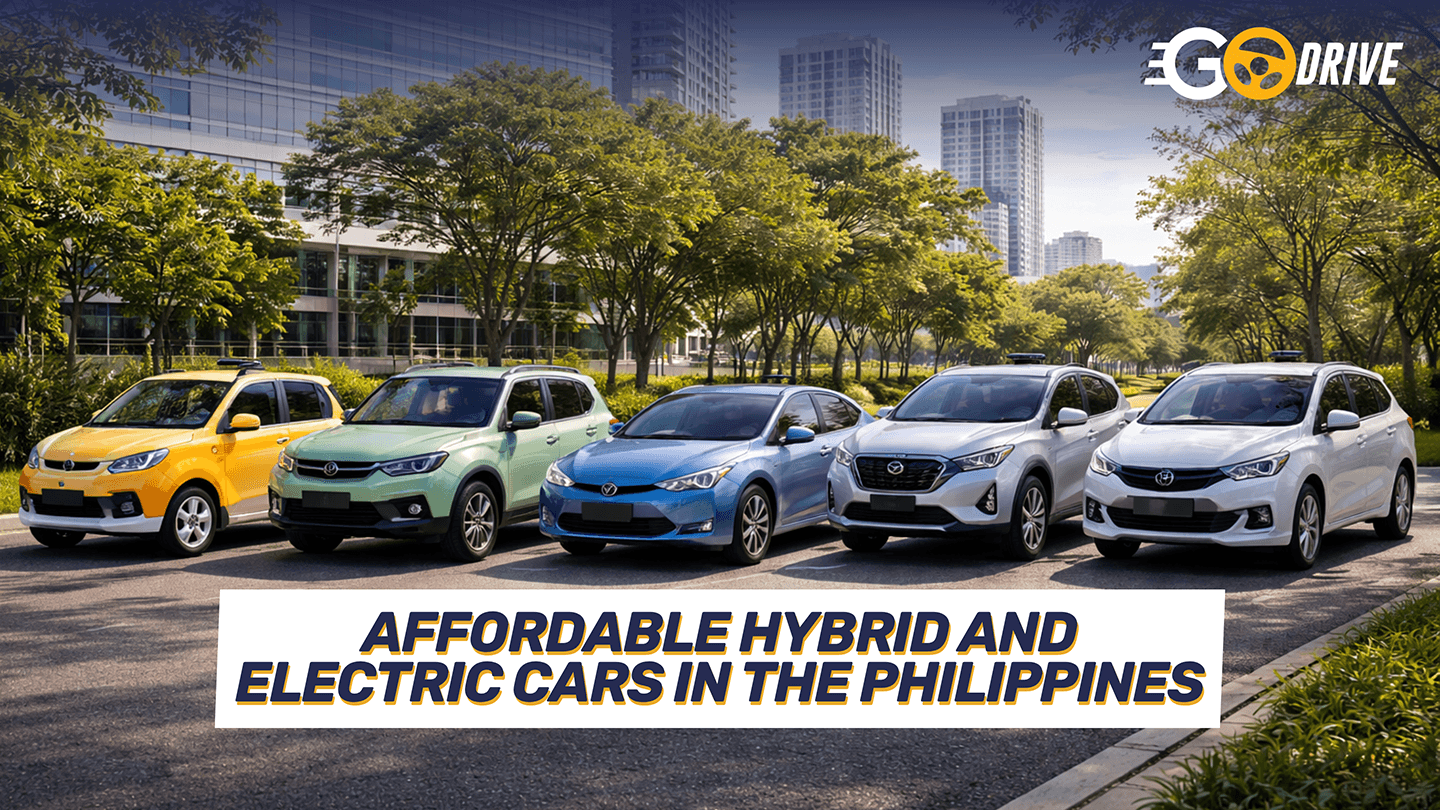
Buying a car in the Philippines today is not just about looks or brand. Many buyers now consider fuel savings, long-term costs, and practicality. Because of this, hybrid and electric cars are becoming more popular. Before, these vehicles were expensive and limited. Now, there are more affordable options available, making them a smart choice for everyday driving.


Why Hybrid and Electric Cars Are Growing in the Philippines

  • Hybrid and electric cars are gaining popularity because they help address common problems faced by Filipino drivers.
  • Fuel prices continue to change, making it harder to manage daily expenses. Hybrid cars reduce fuel use by combining gasoline and electricity, while electric cars run fully on electricity and do not need fuel.
  • There is also a growing concern about air pollution. These vehicles produce fewer emissions, helping create a cleaner environment.
  • With more brands entering the market, buyers now have more choices at different price points.


Why Choose Hybrid or Electric Cars

Choosing a hybrid or electric car offers several advantages:

  • Lower fuel costs

Hybrid cars use less gasoline, while electric cars eliminate fuel expenses.

  • Savings in the long run

You may spend more at first, but you can save money over time through lower fuel and maintenance costs.

  • Comfortable driving experience

Electric-powered driving is smoother and quieter, especially in city traffic.

  • Better for future use

As charging stations and EV support continue to grow in the Philippines, these cars are becoming more practical.


Here are some affordable hybrid and electric cars you can consider, along with their estimated prices:


  • VinFast VF 3 (Electric) – around ₱645,000 to ₱745,000

A small and affordable electric car, great for city driving. Easy to park and very economical to use.


  • Jetour Ice Cream EV (Electric) – around ₱699,000

A compact and fun EV for short daily trips. Best for quick errands and city use, not ideal for long drives.


  • BYD Seagull (Electric) – around ₱898,000

A more refined EV with better range and features. A good choice if you want something more comfortable but still affordable.


  • BYD Seal 5 DM-i (Hybrid) – starts around ₱948,000

A fuel-efficient hybrid sedan that offers a smooth drive and enough power for everyday use.


  • Suzuki Ertiga Hybrid – around ₱1.17M+

A practical family car with extra space. The hybrid system helps save fuel, especially in city traffic.


  • Nissan Kicks e-POWER (Hybrid) – around ₱1.2M to ₱1.3M

Drives like an electric car but uses fuel. Smooth and quiet, with no need to charge.


  • BYD Sealion 5 DM-i (Hybrid SUV) – starts around ₱1.24M

A spacious SUV with hybrid efficiency. Great for families who want comfort and better fuel savings.


Hybrid and electric cars are no longer just for high-end buyers. In the Philippines, they are becoming more accessible and practical for everyday use. If you want to save on fuel, reduce expenses, and try a more modern way of driving, switching to a hybrid or electric car is a smart choice today.


Looking to save more on fuel and explore smarter car options? Follow GoDrive to learn more about hybrid and electric cars.


#GoDrive

Posted on

Affordable Hybrid and Electric Cars in the Philippines

With fuel prices in the Philippines continuing to rise, more drivers are starting to consider hybrid and electric cars. But despite their growing popularity, there are still many misunderstandings about how they work and what they offer. Some of these myths might even stop people from making the switch.

Here are five common misconceptions about hybrid and electric cars and the truth behind them.

1. “Electric cars will leave you stranded when the battery runs out”
Many people worry that electric vehicles will suddenly stop in the middle of the road once the battery is empty. In reality, modern electric cars are designed with range indicators, alerts, and energy-saving modes that help you avoid this situation.

Most EVs today can travel around 300 to 500 kilometers on a full charge, which is more than enough for daily driving in cities like Metro Manila. Plus, charging stations are slowly becoming more available in malls, offices, and gas stations.

2. “Hybrid cars still consume a lot of fuel”
Some think hybrids are not that different from regular gasoline cars. The truth is, hybrids are designed to use both an electric motor and a fuel engine efficiently.

In traffic, which is very common in the Philippines, hybrids can rely more on electric power at low speeds. This means less fuel consumption, especially during stop-and-go driving. Over time, this can lead to noticeable savings.

3. “Charging an electric car is too difficult”
Charging might sound complicated at first, but it is actually simple. Most electric car owners charge their vehicles at home using a standard outlet or a wall charger.

It is similar to charging your phone overnight. Public charging stations are also expanding, making it easier for drivers to top up their battery while out. For many users, charging becomes part of their routine and not a hassle.

4. “Hybrid and electric cars are weak on uphill roads”
Many people believe that EVs and hybrids struggle when driving uphill, especially on steep roads like those in Antipolo or Baguio.

It is actually the opposite. Electric motors provide instant torque, which means strong pulling power right away even when going uphill. Unlike traditional engines that need to build up speed, EVs deliver power instantly, making climbs smoother and easier.

5. “Electric cars are slow and boring to drive”
This is one of the biggest myths. Electric cars actually deliver instant torque, which means they can accelerate quickly even from a full stop.

Many drivers are surprised at how smooth and responsive EVs feel. Hybrid cars also offer a quiet and comfortable driving experience, making daily commutes less stressful.

Hybrid and electric cars are becoming more practical for everyday use in the Philippines. As technology improves and more options become available, these vehicles are no longer just a trend but a smart alternative for modern drivers.

Looking for more car tips, guides, and updates? Follow GoDrive for everything you need to know about cars.

#GoDrive

Posted on

5 Things You Got Wrong About Hybrid and Electric Cars

We have all heard of love at first sight, but what about love at first drive? You step into a car, turn the key or press the start button, ease onto the road, and suddenly everything feels right. The steering responds smoothly, the ride feels comfortable, and for a moment you stop thinking about the test drive and start imagining the car as part of your daily life.

Buying a car is not just a financial decision. It is also an emotional one. Your car becomes part of your routine, your road trips, and your memories. So how do you know if a car is truly “the one” and not just a passing attraction? Here are the signs to look for.


  1. It Feels Right the Moment You Sit In

Before you even start driving, your body notices things your mind has not processed yet. The seat feels comfortable, the steering wheel is at the right height, and the controls make sense without much effort. A car that fits you well feels natural from the start. If you already feel relaxed and at ease while sitting inside, that is a first sign of compatibility.


  1. The Drive Matches Your Lifestyle

During the test drive, think about how the car fits into your everyday routine. If you mostly drive in the city, smooth steering and easy parking matter. If you commute long distances, comfort and fuel efficiency become important. If you enjoy weekend trips or hauling gear, space and durability should not be overlooked. A car that works well with how you actually live will continue to feel right long after the excitement fades.


  1. You Trust How It Handles

Trust is essential. When you drive the right car, you feel confident on the road. The brakes respond when you expect them to, the steering feels controlled, and the engine performs smoothly without hesitation. You should not feel tense or unsure while driving. A car that inspires confidence makes every trip safer and more enjoyable.


  1. It Makes You Excited to Drive Again

After the test drive, ask yourself a simple question. Do you want to drive it again? If you find yourself thinking about the experience, smiling, or looking forward to another drive, that emotional connection matters. The right car does more than serve a purpose. It makes driving something you look forward to.


  1. You Can Picture a Future Together

Think long term. Imagine owning the car for years, not just weeks. Picture daily errands, long drives, bad weather, and unexpected situations. If the idea of keeping the car long term feels reassuring instead of worrying, that is a strong indicator that you have found a good match.


Finding the right car is more than looks or brand. It is about how it makes you feel and fits your lifestyle. When it is truly “the one,” you will feel it from the very first drive. For more tips, follow GoDrive on Facebook and stay on the road to smarter, better driving.


#GoDrive


Posted on

Love at First Drive: How to Know If a Car Is “The One”

Buying a car is a major decision that involves more than choosing a brand or model. Timing can also play a key role, especially if you want the best deals and incentives. If you’re considering purchasing a car in the Philippine. February a good month to buy? Let’s explore the factors that make February an interesting time for car buyers.

  1. Early-Year Promotions

Car dealerships in the Philippines often launch promotions at the start of the year to boost sales after the holiday slowdown. February falls within this period, meaning you may find discounts, low down payments, and attractive financing packages. Some dealerships even extend January deals into February to maintain momentum.

  1. Lower Competition

Unlike December, when many buyers rush to secure a car before the year ends, February typically sees fewer customers. This lower demand can work to your advantage, giving you more negotiating power with sales representatives and a better chance of securing additional perks, like free accessories or extended warranties.

  1. New Models May Be Available

Many car brands release updated models or variants in the first quarter of the year. Buying in February can give you access to the latest features and technology, while still allowing for early-year promotions. You might even find trade-in incentives if you plan to upgrade from your current vehicle.

  1. Budget-Friendly Planning

After the holiday season, buyers are often more conscious of their budget. This can make February an ideal month to carefully plan your purchase without feeling rushed. You can compare different dealerships, evaluate financing options, and make a decision that aligns with both your needs and your wallet.

  1. Consider the Market Trends

While February offers advantages, it’s important to check the market trends. Interest rates, fuel prices, and import regulations can all affect car prices. Doing a bit of research before visiting dealerships ensures that you make an informed choice rather than relying solely on timing.

February can indeed be a good month to buy a car in the Philippines. With early-year promotions, lower competition, access to new models, and room for thoughtful budgeting, it offers several advantages for buyers looking to get the most value. Remember, the right car isn’t just about price, it’s about how it fits your lifestyle, budget, and driving needs. Take your time, explore your options, and you might find that February is the perfect month for your next vehicle.

For more automotive insights and tips, follow GoDrive on Facebook and stay on the road to smarter, better driving.

#GoDrive

Posted on

Is February a Good Month to Buy a Car in the Philippines

A new year is a great time for a fresh start, and for many people, that includes buying a car. Whether you are upgrading your current vehicle or buying your first one, choosing the right car can make daily life easier. Starting 2026 with a smart car choice means focusing on practicality, comfort, and long-term value.

Focus on Your Daily Needs

Before choosing a brand or design, think about how you will use the car. Do you mostly drive in the city, or do you travel long distances? Will the car be used for work, family trips, or daily errands? A small sedan is usually better for city driving and parking, while a larger vehicle may suit families or frequent travelers. Choosing a car that matches your lifestyle helps reduce stress and extra costs.

Set a Realistic Budget

A smart car choice is more than just the purchase price. You should also consider fuel costs, maintenance, insurance, and registration fees. It is important to choose a car you can afford over time, not just at the moment of purchase. Cars that are reliable and fuel-efficient can help you save money throughout the year.

Prioritize Safety and Reliability

Safety should always come first. Look for cars with basic safety features such as airbags, anti-lock brakes, and stability control. Reliability is also important. Cars known for lasting longer and needing fewer repairs can save you time and money. A dependable vehicle gives peace of mind every time you drive.

Comfort and Convenience Matter

Since you spend a lot of time in your car, comfort is important. Comfortable seats, good air conditioning, and simple controls can make driving more enjoyable. Helpful features like backup cameras and easy-to-use entertainment systems add convenience without making the car complicated.


Think Long-Term

A smart car choice should still be a good decision years later. Consider resale value, brand reputation, and how well the car holds up with regular use. Choosing wisely at the start of 2026 can help you avoid regrets and enjoy your car longer.

Start the Year on the Right Road

Buying a car is a big decision, and the new year is a good time to make it a smart one. By focusing on your needs, budget, safety, and reliability, you can start 2026 with confidence. A smart car choice is not about following trends. It is about choosing a vehicle that supports your goals and makes every trip easier.

Buying the right car can make life easier, more comfortable, and less stressful. Focus on your daily needs, budget, safety, and long-term reliability. A smart car choice fits your lifestyle, saves money, keeps you safe, and continues to be a good decision for years. Making a careful choice ensures every trip is more convenient and enjoyable.

Whether you’re looking for tips, car guides, accessories, or your next ride, we’ve got you covered. For more automotive insights and inspiration, follow GoDrive on Facebook and stay on the road to smarter, better driving. 

#GoDrive

Posted on

New Year, New Road: Smart Car Choices to Start 2026 Right

Whether you’re a new driver or a seasoned car lover, 2026 is the perfect year to set exciting automotive goals. From improving your skills to upgrading your ride, creating a car bucket list can make every drive more thrilling. Here’s a curated list of must-do goals to inspire your 2026 car journey.


  1. Learn How to Drive (or Master Advanced Skills)

If you haven’t gotten behind the wheel yet, 2026 is the year to earn your driver’s license. For existing drivers, consider enhancing your skills, defensive driving courses, precision parking techniques, or even track day experiences can improve your confidence and safety on the road.


  1. Upgrade Your Car Accessories

Small changes can make a big impact. Think about adding functional or aesthetic upgrades such as:

  • High-quality seat covers for comfort and style
  • All-weather floor mats to protect your interior
  • LED or ambient lighting kits for a modern look
  • Phone mounts and wireless chargers for convenience


  1. Personalize Your Ride

Make your car truly yours. Popular personalization options include:

  • Custom decals or wraps
  • Upgraded wheels or rims
  • Steering wheel covers and interior trims
  • Premium audio systems for the ultimate driving soundtrack


  1. Plan a Road Trip Adventure

No car bucket list is complete without hitting the road. Map out a 2026 road trip, explore scenic routes, visit iconic landmarks, and discover hidden gems. A well-planned road trip allows you to enjoy your car while creating unforgettable memories.


  1. Learn Basic Car Maintenance

Understanding your vehicle helps prevent costly repairs. Goals can include:

  • Changing your own oil
  • Rotating tires and checking tire pressure
  • Learning to replace filters, bulbs, or wipers


  1. Join a Car Community

2026 is a great year to connect with fellow car enthusiasts. Attend local car shows, join online forums, or participate in driving clubs. Sharing experiences and tips can fuel your passion and expand your knowledge.


  1. Buy That “Dream” Accessory or Gadget

Sometimes, it’s the little things that bring joy. Consider splurging on that gadget you’ve been eyeing like Dash cams for safety or Smart car devices or trackers


Your car journey in 2026 doesn’t have to be about speed, it’s about growth, experience, and enjoyment. Whether you’re learning to drive, upgrading your ride, or exploring new roads, every goal on this bucket list helps you become a more confident and passionate car owner. Take it one step at a time, celebrate small wins, and most importantly, enjoy every drive.


Whether you’re looking for tips, car guides, accessories, or your next ride, we’ve got you covered. For more automotive insights and inspiration, follow GoDrive on Facebook and stay on the road to smarter, better driving. 


#GoDrive

Posted on

The 2026 Bucket List for Every Car Enthusiast