Buying a car in the Philippines today is not just about looks or brand. Many buyers now consider fuel savings, long-term costs, and practicality. Because of this, hybrid and electric cars are becoming more popular. Before, these vehicles were expensive and limited. Now, there are more affordable options available, making them a smart choice for everyday driving.


Why Hybrid and Electric Cars Are Growing in the Philippines

  • Hybrid and electric cars are gaining popularity because they help address common problems faced by Filipino drivers.
  • Fuel prices continue to change, making it harder to manage daily expenses. Hybrid cars reduce fuel use by combining gasoline and electricity, while electric cars run fully on electricity and do not need fuel.
  • There is also a growing concern about air pollution. These vehicles produce fewer emissions, helping create a cleaner environment.
  • With more brands entering the market, buyers now have more choices at different price points.


Why Choose Hybrid or Electric Cars

Choosing a hybrid or electric car offers several advantages:

  • Lower fuel costs

Hybrid cars use less gasoline, while electric cars eliminate fuel expenses.

  • Savings in the long run

You may spend more at first, but you can save money over time through lower fuel and maintenance costs.

  • Comfortable driving experience

Electric-powered driving is smoother and quieter, especially in city traffic.

  • Better for future use

As charging stations and EV support continue to grow in the Philippines, these cars are becoming more practical.


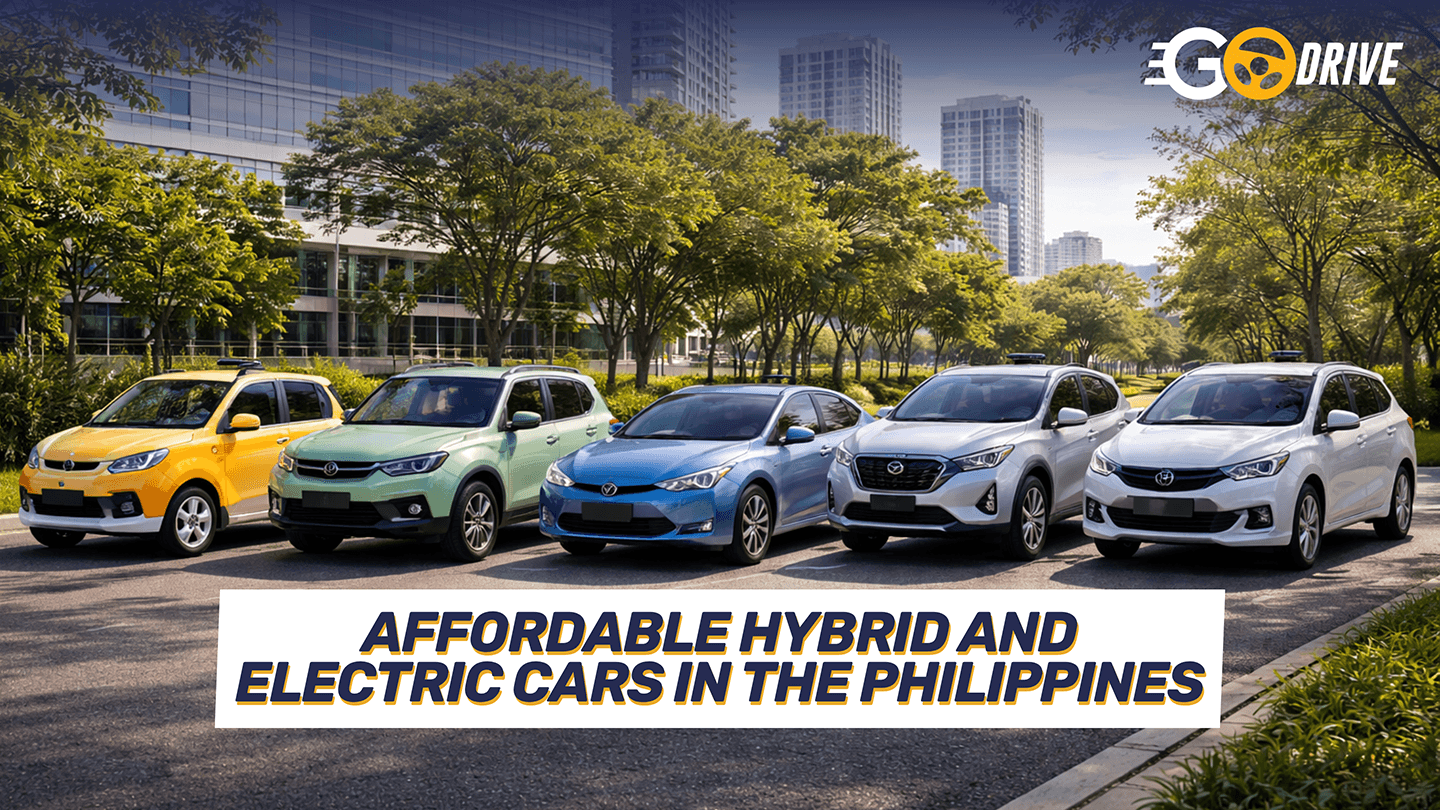
Here are some affordable hybrid and electric cars you can consider, along with their estimated prices:


  • VinFast VF 3 (Electric) – around ₱645,000 to ₱745,000

A small and affordable electric car, great for city driving. Easy to park and very economical to use.


  • Jetour Ice Cream EV (Electric) – around ₱699,000

A compact and fun EV for short daily trips. Best for quick errands and city use, not ideal for long drives.


  • BYD Seagull (Electric) – around ₱898,000

A more refined EV with better range and features. A good choice if you want something more comfortable but still affordable.


  • BYD Seal 5 DM-i (Hybrid) – starts around ₱948,000

A fuel-efficient hybrid sedan that offers a smooth drive and enough power for everyday use.


  • Suzuki Ertiga Hybrid – around ₱1.17M+

A practical family car with extra space. The hybrid system helps save fuel, especially in city traffic.


  • Nissan Kicks e-POWER (Hybrid) – around ₱1.2M to ₱1.3M

Drives like an electric car but uses fuel. Smooth and quiet, with no need to charge.


  • BYD Sealion 5 DM-i (Hybrid SUV) – starts around ₱1.24M

A spacious SUV with hybrid efficiency. Great for families who want comfort and better fuel savings.


Hybrid and electric cars are no longer just for high-end buyers. In the Philippines, they are becoming more accessible and practical for everyday use. If you want to save on fuel, reduce expenses, and try a more modern way of driving, switching to a hybrid or electric car is a smart choice today.


Looking to save more on fuel and explore smarter car options? Follow GoDrive to learn more about hybrid and electric cars.


#GoDrive

Posted on

Affordable Hybrid and Electric Cars in the Philippines

With fuel prices in the Philippines continuing to rise, more drivers are starting to consider hybrid and electric cars. But despite their growing popularity, there are still many misunderstandings about how they work and what they offer. Some of these myths might even stop people from making the switch.

Here are five common misconceptions about hybrid and electric cars and the truth behind them.

1. “Electric cars will leave you stranded when the battery runs out”
Many people worry that electric vehicles will suddenly stop in the middle of the road once the battery is empty. In reality, modern electric cars are designed with range indicators, alerts, and energy-saving modes that help you avoid this situation.

Most EVs today can travel around 300 to 500 kilometers on a full charge, which is more than enough for daily driving in cities like Metro Manila. Plus, charging stations are slowly becoming more available in malls, offices, and gas stations.

2. “Hybrid cars still consume a lot of fuel”
Some think hybrids are not that different from regular gasoline cars. The truth is, hybrids are designed to use both an electric motor and a fuel engine efficiently.

In traffic, which is very common in the Philippines, hybrids can rely more on electric power at low speeds. This means less fuel consumption, especially during stop-and-go driving. Over time, this can lead to noticeable savings.

3. “Charging an electric car is too difficult”
Charging might sound complicated at first, but it is actually simple. Most electric car owners charge their vehicles at home using a standard outlet or a wall charger.

It is similar to charging your phone overnight. Public charging stations are also expanding, making it easier for drivers to top up their battery while out. For many users, charging becomes part of their routine and not a hassle.

4. “Hybrid and electric cars are weak on uphill roads”
Many people believe that EVs and hybrids struggle when driving uphill, especially on steep roads like those in Antipolo or Baguio.

It is actually the opposite. Electric motors provide instant torque, which means strong pulling power right away even when going uphill. Unlike traditional engines that need to build up speed, EVs deliver power instantly, making climbs smoother and easier.

5. “Electric cars are slow and boring to drive”
This is one of the biggest myths. Electric cars actually deliver instant torque, which means they can accelerate quickly even from a full stop.

Many drivers are surprised at how smooth and responsive EVs feel. Hybrid cars also offer a quiet and comfortable driving experience, making daily commutes less stressful.

Hybrid and electric cars are becoming more practical for everyday use in the Philippines. As technology improves and more options become available, these vehicles are no longer just a trend but a smart alternative for modern drivers.

Looking for more car tips, guides, and updates? Follow GoDrive for everything you need to know about cars.

#GoDrive

Posted on

5 Things You Got Wrong About Hybrid and Electric Cars

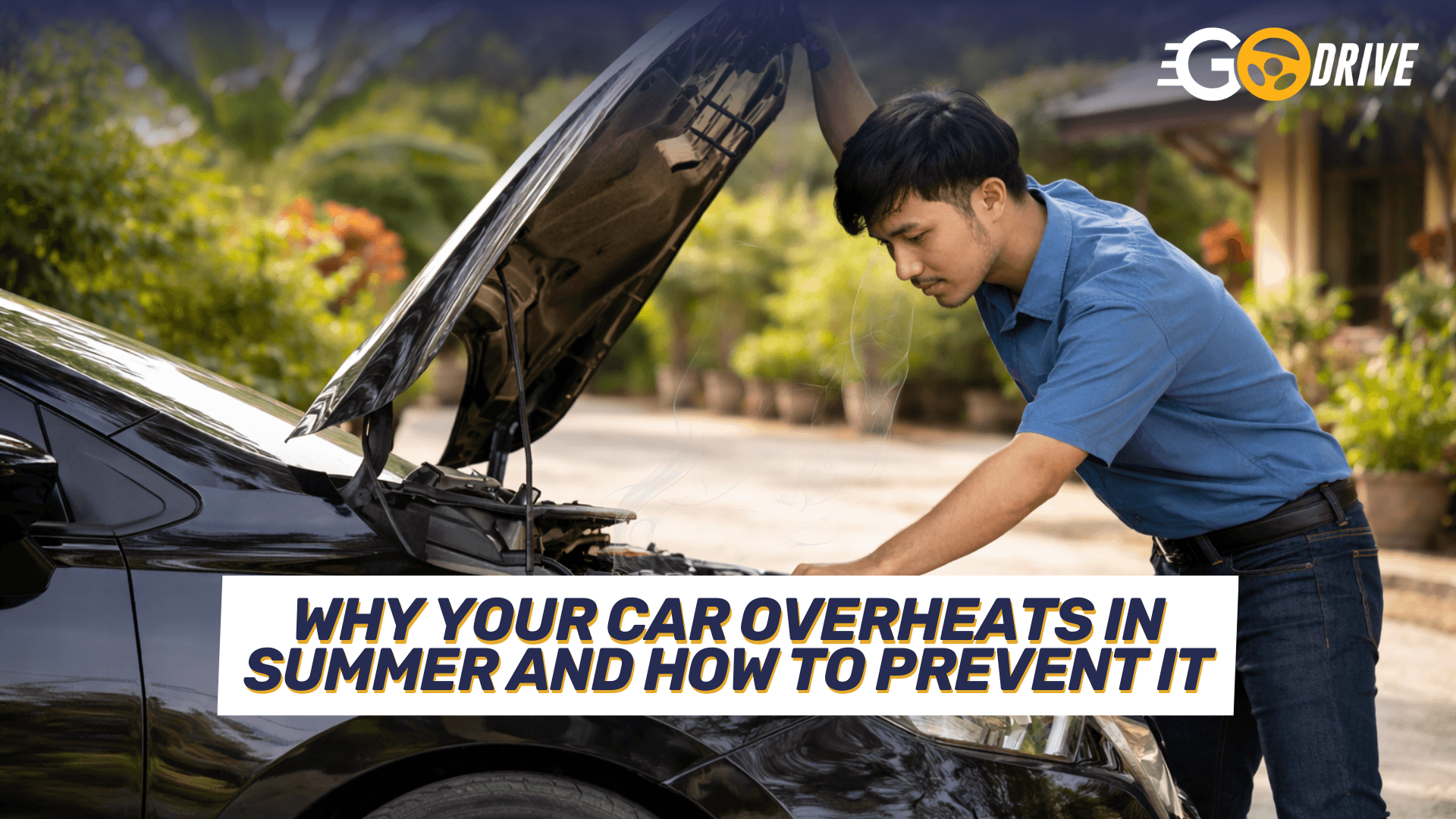
The summer heat in the Philippines can be tough not only for people but also for vehicles. High temperatures place extra stress on your car’s engine and cooling system, which increases the risk of overheating. When the engine gets too hot, it can affect performance and may lead to serious damage if not addressed quickly. Here are some common reasons cars overheat during summer and how you can help prevent it.

Engine Overheating

During hot weather, engines work harder to maintain a safe temperature. If the cooling system is not functioning properly, heat can build up quickly. Check your coolant levels regularly and make sure the radiator is in good condition. A properly working cooling system helps keep the engine temperature stable.

Low Coolant Levels

Coolant helps regulate the temperature of the engine. When the coolant level is too low, the engine may struggle to cool itself. It is a good habit to check the coolant reservoir from time to time and refill it when necessary, especially during hotter months.

Radiator and Cooling System Problems

The radiator releases heat from the engine. If it becomes clogged, leaking, or damaged, it may not cool the engine efficiently. Inspect the radiator, hoses, and cooling fan regularly to ensure that all parts are working properly.

Engine Oil Condition

Engine oil helps reduce friction between moving parts and also helps manage heat. Low or dirty oil can cause the engine to run hotter than usual. Following your car’s recommended oil change schedule can help maintain proper engine temperature.

Driving in Extreme Heat

Heavy traffic, long drives, or steep roads during very hot days can put additional strain on the engine. If possible, avoid pushing your car too hard during peak heat hours and give the engine time to cool down when needed.

Preventive Maintenance

Regular maintenance plays a big role in preventing overheating. Checking coolant levels, inspecting the radiator, and monitoring engine oil can help keep your vehicle in good condition during the summer.

By taking simple precautions and keeping your cooling system well maintained, you can help protect your car from overheating and enjoy safer, smoother drives even during the hottest days of the year. 

Follow GoDrive for more driving tips, car insights, and updates on the latest vehicles that can help you drive smarter and save more on the road.

#GoDrive

Posted on

Why Your Car Overheats in Summer and How to Prevent It

Holy Week is one of the busiest travel seasons in the Philippines. Many families travel to their provinces, visit churches, or go on short vacations during the long break. Because of this, major highways and roads can become very crowded, making travel more stressful for drivers.


To make your Holy Week trip smoother and safer, it is important to prepare before heading out. Here are some simple tips to help you avoid traffic and travel safely.


Plan Your Route and Traffic Considerations

Holy Week traffic can be heavy, especially near popular destinations. Avoid delays by planning your route ahead of time. Check traffic updates before leaving and look for alternative roads in case the main highways become congested.


Leave Earlier Than Peak Travel Hours

Most motorists travel on Wednesday afternoon and Thursday morning, which often causes long traffic lines. If possible, leave earlier in the morning or travel during less busy hours to avoid the worst traffic.


Check Your Vehicle Before the Trip

Before a long drive, make sure your car is in good condition. Check your tires, brakes, engine oil, coolant, and battery. A quick inspection can help prevent problems while you are on the road.


Keep Your Fuel Tank Ready

Fuel stations can get crowded during long holidays, so it is best to fill up your tank before leaving and refuel when it reaches half. This is especially important now as fuel prices in the Philippines have recently increased, making fuel more expensive for motorists. Planning your fuel stops ahead can help you avoid delays and manage travel costs.


Practice Safe and Patient Driving

Heavy traffic can be stressful, but staying calm is important. Follow traffic rules, keep a safe distance from other vehicles, and avoid aggressive driving. Safe and responsible driving helps protect you and other motorists on the road.


With proper planning and preparation, your Holy Week road trip can be smoother and less stressful. By checking your vehicle, planning your route, and driving responsibly, you can enjoy a safer journey and focus on spending meaningful time with your family.


Follow GoDrive for more driving tips, car insights, and updates on the latest vehicles that can help you drive smarter and save more on the road.

#GoDrive

Posted on

A Driver’s Guide to a Smooth Holy Week Road Trip: Tips to Avoid Traffic and Travel Safely