
Behind every successful entrepreneur is a journey shaped by persistence, learning, and a willingness to take risks. For Ariestelo Asilo, that journey began long before he became involved in coffee, community development, and business expansion.
Early Foundations of Resourcefulness
From a young age, Asilo was already exposed to the world of selling. He started helping his mother, a sweepstakes ticket vendor, and later sold various items in school. Although he may not have realized it at the time, these early experiences shaped his future as an entrepreneur. The resourcefulness and initiative he developed early on became the foundation for the successful ventures he would later build.
From Rural Banking to Social Impact
Asilo’s career eventually led him to rural banking in Lobo, Batangas. Motivated by a desire to help farmers gain access to financial services, he worked closely with farming communities and gained firsthand insight into the unique challenges they faced.
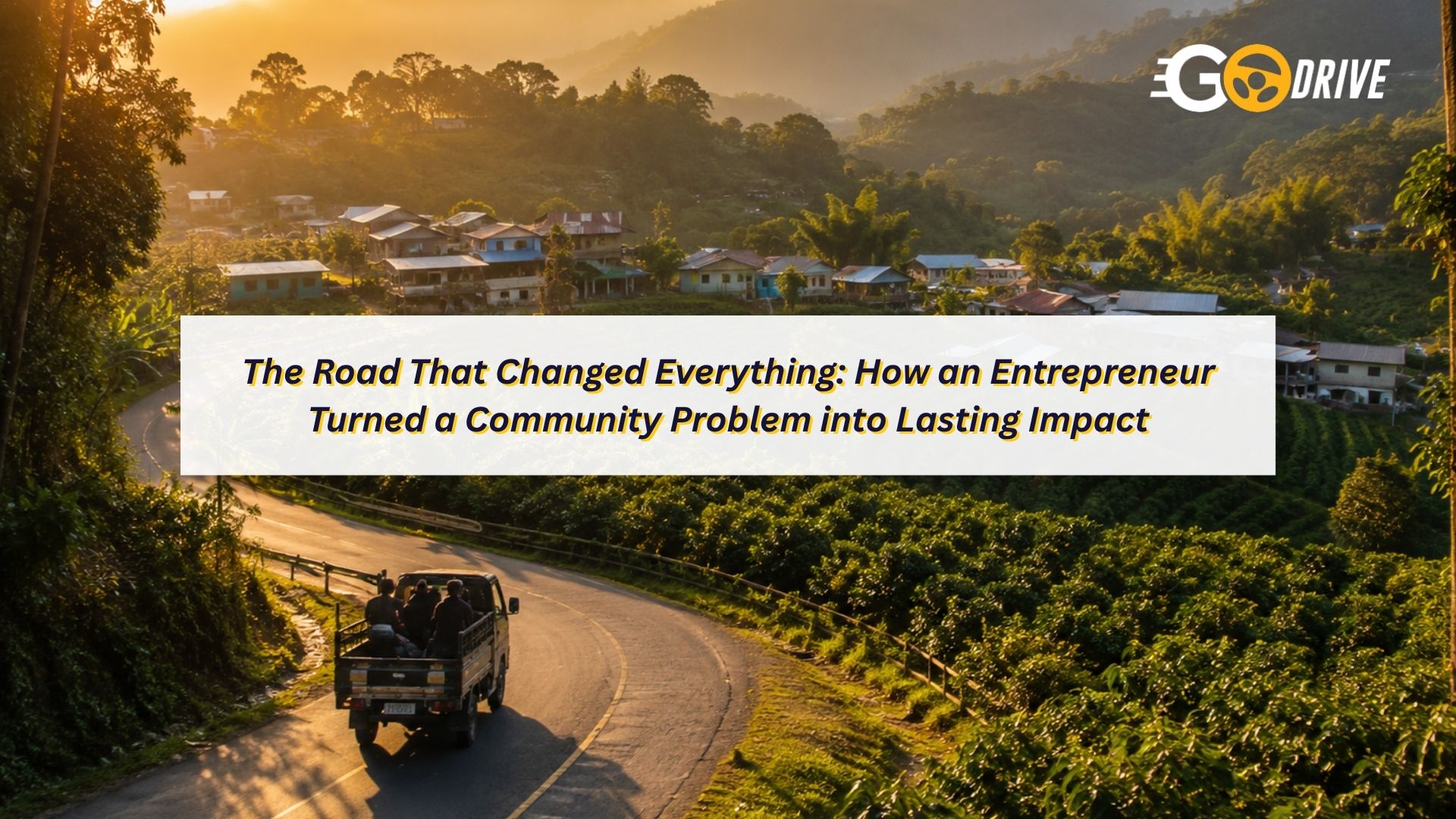
During his visits, he noticed that coffee farmers were struggling to bring their harvests to market. Poor road conditions and difficult transportation routes often resulted in unsold harvests and lost income. Rather than accepting the situation, Asilo searched for ways to create a lasting solution.
This experience led to the creation of “Mind Map,” his first business venture. Through a developed feasibility plan, a proposal was presented to the World Bank and successfully secured funding for infrastructure development. The project resulted in the construction of roads that continue to benefit thousands of families today by providing better access to markets.
This initiative created opportunities on both sides: farmers gained better access to customers and income, while Asilo gained a deeper understanding of the coffee industry and the communities behind it. What started as an effort to solve a local problem eventually became the foundation for the growth of his own coffee business—a journey we have explored in our previous feature on his success with Varacco.
Advice for Aspiring Entrepreneurs
One lesson remained constant throughout his journey: the importance of learning from others. When asked what advice he would give aspiring entrepreneurs, Asilo emphasized the value of asking questions and seeking guidance from those with more experience.
“Ang ginawa ko, nagtatanong ako talaga. Yung mga marurunong, yung mga maalam, yung mga tingin ko ay mga wais na at may experience, nagtatanong ako. Hindi ako nahihiyang magtanong.”
For Asilo, asking questions was a way to make informed decisions and continue learning as an entrepreneur.
Growth Through Bold Action
Looking back, he believes that fear could have easily prevented many of the opportunities that came his way.
“And looking back, parang kung natakot kami noon, di ba? I mean, hindi magiging expansive yung operations, not only with the shops, but also with the farming community.”
His reflection highlights a lesson that has guided much of his journey: growth often comes from being willing to act despite uncertainty. By addressing a challenge faced by farmers, Asilo not only helped create opportunities for communities but also laid the groundwork for the growth of his own business.
His story is a reminder that success is not only measured by what a business achieves, but also by the impact it creates for others along the way.