On an ordinary Tuesday, during a routine executive meeting, Chairman Ruben Y. Lugtu II gave President & CEO Samuel Z. Cariño a pat on the back, not for any major milestone, but just for managing the day well. After a few minutes, Group CEO Robert B. Jordan Jr. gave Cariño a nod, not to approve a big project, but as a quiet appreciation for being where he needed to be that day. These simple gestures reflect the founders’ confidence in the new president and the team he leads.
More than two decades, over 170 branches nationwide, almost 2,000 employees—this is no small organization to entrust to a new leader. Since 2003, Global Dominion has released billions of pesos in loans, lent to thousands of Filipino borrowers, and developed thousands of finance leaders. A shift in leadership can shape how the company does business and consequently impact the lending industry and the community it serves. It is no small feat for a Filipino company, and a long way to go for the entire Philippine lending landscape.
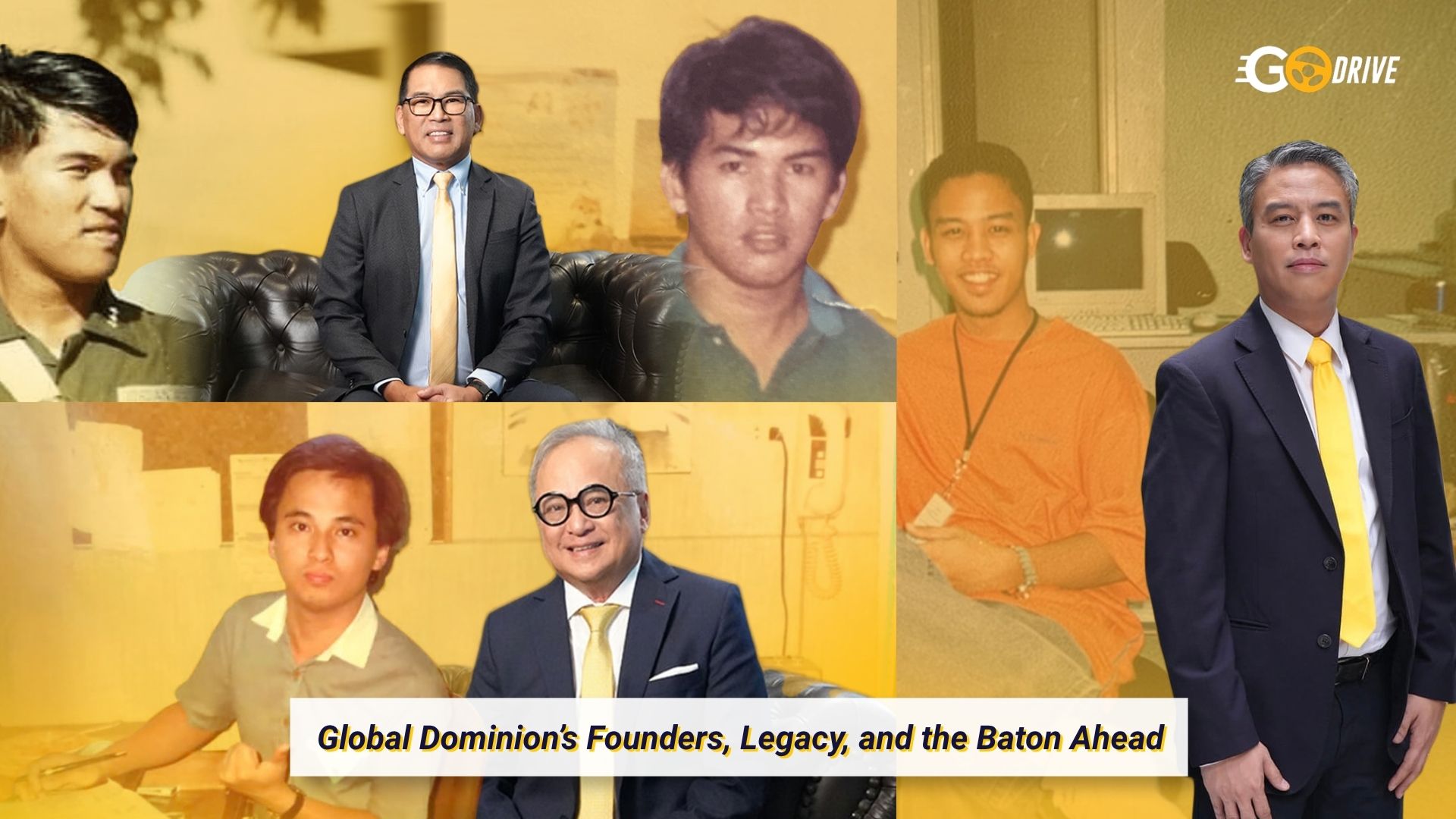
Friends Jordan and Lugtu founded Global Dominion with a shared ambition: to create a bigger ecosystem, working with more partners to support the growth of Filipino businesses. That belief gave rise to the company’s “Ka-partner” (“A partner”) philosophy, captured in the tagline “Ka-partner mo sa pag-angat” (“Your partner in growth”), a conviction that financing done right is not a transaction but a relationship that grows alongside the businesses and families it serves. The same philosophy still guides the company today, this time in pursuit of becoming the financing company of choice for Filipinos.
Robert B. Jordan Jr., known within the company as RBJ, was recognized by CEO Insights Asia as one of the top University of the Philippines (UP) alumni. He was also handed the University of the Philippines Alumni Association (UPAA) Distinguished Alumni Award in Social Entrepreneurship and Banking. Jordan’s high regard for the welfare of MSMEs surfaces every time he meets with company officers and employees. Despite his humble beginnings growing up in a fish port in Manila, he obtained his degree in economics from UP, and earned his master’s degree in business administration from the Ateneo de Manila University.

“It wasn’t easy putting [Global Dominion] up and it wasn’t any easier expanding it. But I am extremely proud of how it has grown and how I know it will further expand across the entire nation,” Jordan said, reflecting on the company’s growth in recent years. When asked about the key ingredients to his success as a businessman, he named transparency and attracting top talents. “It is important for a leader to be transparent to all stakeholders. When there’s a foreseeable problem, I make sure that they know about it and that they’re informed of the action plans for it,” Jordan said. “Identifying the right people for the jobs and developing them along the way is another crucial part of growing a business. I couldn’t have done all these alone,” he added.
Ruben Y. Lugtu II, known in the organization as RYL, built Global Dominion into what it is today by leaning on his business acumen and his gift for building relationships. He is usually described as “a friend that everyone would want to have”–compassionate, and generous with his time. His story alone already serves as a gift of inspiration to many. Young Ruben was never given an easy path. He had to earn his own money early on and ensured to extensively study business opportunities before he even took a leap. His father’s unconventional display of his love has driven him to work hard and become stronger amidst challenges–a story a lot of us can certainly relate to. “Heartaches, sleepless nights, challenges —a lot of those molded me,” Lugtu said.

“When I was young, many people had so much more than I had, so I learned to grab every opportunity that comes to me, big or small,” he said. “I remember saving up to be able to buy a plane ticket, so I could experience it for the first time,” he added with a smile on his face. He makes sure he gets to impart his wisdom not just with his family, but with the people around him, as well, including his dear Global Dominion employees. This chairman has launched and concretized more than 50 businesses, mostly amidst regional or global crises, seizing opportunities to help others.
Global Dominion Financing, Inc. was established 23 years ago to serve borrowers that traditional financial institutions have historically found difficult to reach, particularly micro, small, and medium enterprises (MSMEs) whose financial profiles do not conform to conventional lenders’ credit requirements. The founders felt the need to innovate and do more to cater to the unbanked and the underserved markets. To them, if they can see the potential in the MSMEs traditional banks do not see, they might as well be the one to “lend” a helping hand.
Calculated risks were taken to ensure that even borrowers new to credit will learn how to manage loans and grow their businesses with the use of Global Dominion’s products. Rates were higher and more requirements were asked of the borrowers back then. Processing time was also slower, allowing for some time to carefully assess credit profiles and risk of unbanked financial consumers and to guard against the kind of non-performing loan exposure that could sink the business. Today, despite rising prices, the financing company’s rates, service level, and speed have all substantially improved through people and organizational development, along with continuous process improvement.
The team’s great business sense, strong sales performance, and low non-performing loans ratio fueled a series of expansions. The first few additional branches were in farther Luzon, until it reached Visayas and Mindanao, eventually adopting satellite offices with smaller space and manpower requirements to keep operations lean.
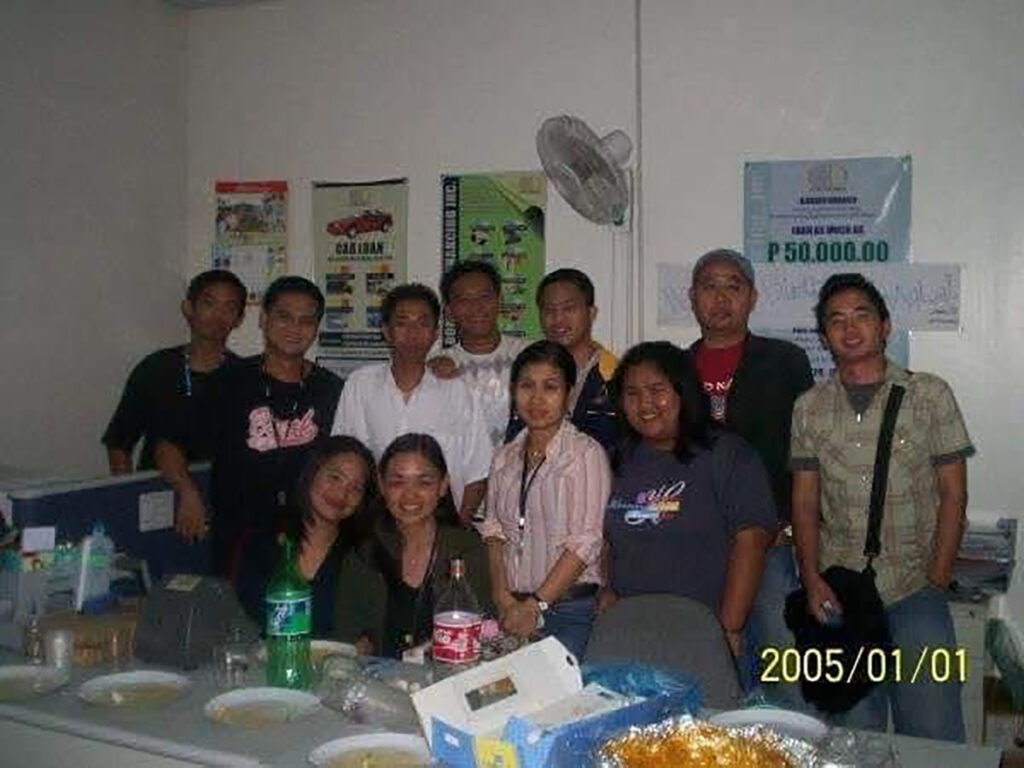
In 2008, the company made it through its fifth year, a period critical in Jordan’s view. For him, if they made it through the first 5 years, they will make it through the first decade. They did, and then some, growing Global Dominion from a startup into an institution built on talented people. “After two decades, it’s no longer a question of whether Global Dominion is here to stay, it has become a question of how big the company will become in the next few years,” Jordan said.
Global Dominion was one of the first non-bank financing companies, if not the first, to resume its lending operations amidst the COVID-19 pandemic in 2020. Its leaders know that if financing will not be resumed for MSMEs who need the capital and vehicles to bounce back, the economy will not be mobilized to recover swiftly. It also made more accommodations than required by the law back then, to ensure that borrowers will be more focused in reviving their businesses and rejoining the productive workforce. That’s the brand not missing its “Ka-partner” philosophy, even in the middle of a global crisis.
The results this non-bank financing institution (NBFI) enjoys today is not the product of luck or random opportunity. They are the product of perseverance, innovation, and compassion toward Filipino MSMEs even before the pandemic.That ethos runs through Global Dominion’s culture. The founders decided that the company will be different from the other financing companies already existing back then, through its employees’ concern and compassion toward their applicants and borrowers, hence its first tagline and guiding idea, “Service is the Difference!”
Loan “Ka-partners” also known as loan consultants or agents have become an essential component of Global Dominion’s operations. They represented the brand’s ideology of being able to help those usually underbanked, brought the brand’s energy on the ground to keep the market alive, and carried the brand’s vision to fruition. Perhaps distinct in the company, most of its top talents either full time and part time, or even those accredited partners but not employed, were built from within. They were taught the values of grit, dedication, fun, and integrity in serving the credit market. Many worked for the first time in their life in Global Dominion and have stayed for an average of nine years.
This culture is no accident. The founders themselves embraced these core values from the beginning: integrity, care, excellence, innovation, fun, and grit. Innovation and care drove Jordan to pursue opportunities traditional lenders overlooked, opening doors to MSMEs who might otherwise have fallen prey to informal lenders with usurious interest rates. Lugtu, for his part, ensured that the same principles guiding his ventures in other industries carried through to Global Dominion: utmost integrity, and a constant pursuit of excellence. “Otherwise, there is no point in building another business,” Lugtu said.
From an NBFI that offers doctors’ loan, Global Dominion evolved to be a multi-product institution, offering vehicle and real estate financing, vehicle and real estate mortgage loan, and still, doctors’ loan. With more than 170 branches and 16 billion pesos in outstanding loans as of mid-2026, the company stands closer to being the top-of-mind brand for secured loans among MSMEs. “Since Global Dominion has the right talent and the healthy mindset when it comes to growth, there is no doubt that it will continue to lead in the industry, and people will continue to avail of loans and financing from it,” Jordan said.
Earlier this year, Jordan and Lugtu welcomed the new president & CEO of Global Dominion, Samuel Z. Cariño, also known as SZC. Cariño began his career with the company as an account officer, where he was directly involved in working with customers and understanding their financing needs. He was later given the opportunity to become a branch manager in Baguio City, which was his first leadership role. From there, he climbed the corporate ladder to become the company’s national sales manager, then moved into the general manager position, where he gained a broader perspective of sales operations and worked closely with teams across different areas and regions.

In keeping with the founders’ own convictions, Cariño believes that even in this era of artificial intelligence, many Filipinos are still unfamiliar with the potential of starting or growing a business through loans and financing, especially mortgage loan products, where they get to keep operating with their cars, trucks, or real estate for their business operations, while being given the opportunity to access a substantial amount of funding for an additional branch or inventory. Such loans, he notes, can even help cover emergency expenses, including bridging gaps in employee salaries and wages.
“I’ve worked in one small branch, and I’ve sat at the center of an organization with thousands of employees. I understand this business from the ground up, and that’s what I’m proudest of. Beyond that, our work has a direct, tangible impact on the people we serve. We work closely with SMEs, which drive a huge part of the Philippine economy, and helping them grow is really the point of everything we do,” said Cariño.
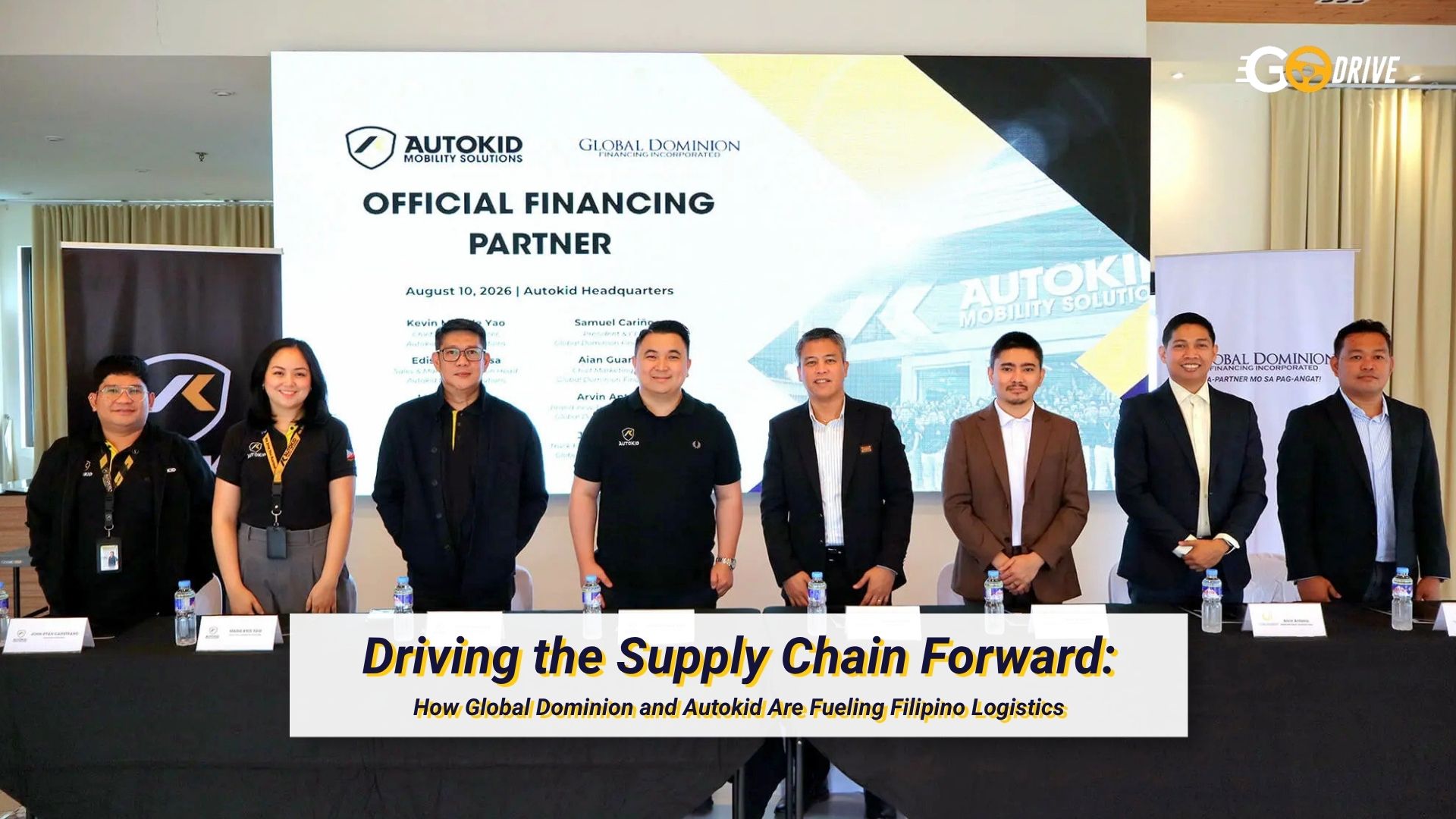
Robert Jordan Jr., Ruben Lugtu II, and Samuel Cariño continue to lead Global Dominion through its expansion, enhancing not just Filipinos’ access to credit, but financial education as well. The brand’s services reach beyond secured business loans (car, truck, and real estate mortgage loans) and vehicle and home financing, but have grown to include financial literacy campaigns and extended support to communities through employment, livelihood, partnerships, and innovation.
This article originally appeared on Global Dominion Financing Inc. and is republished here with permission.