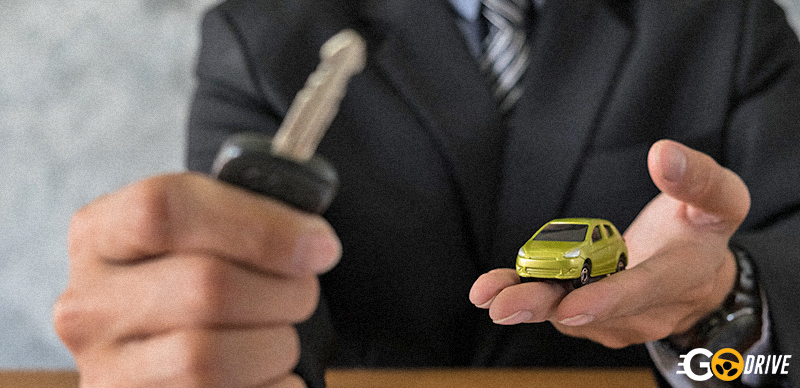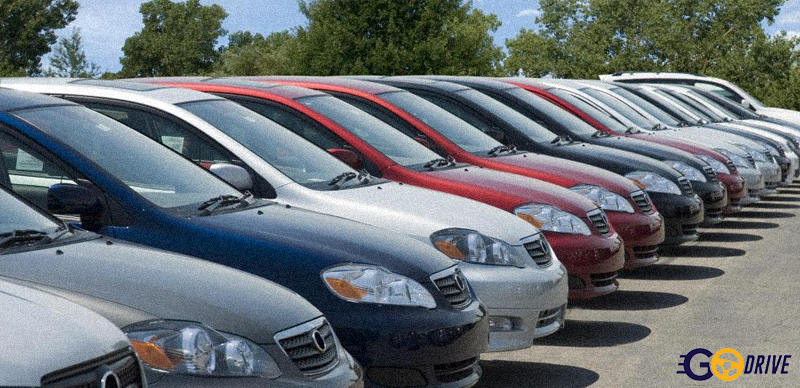

You finally got the cash and you are now walking through this ever familiar avenue lined with car shops left and right. The same avenue you used to just pass-by as you commute from home to work and back. This time however is different. This time, you’re going to buy your dream car. After this day, you will be passing this street not as a passenger but as a driver chilling inside his own personal ride.

A few paces and there you see the car you have been dreaming of these past few years. The sleek design made you gulp. Only after a few seconds did you realize the awestruck face that you’re making. Something that the salesman noticed earlier than you did. And here he comes. As expected, he starts waterboarding you with information which you already know and thus bores you… until he gets to the one bit of detail that made you pause. The car right in front of you is actually secondhand.

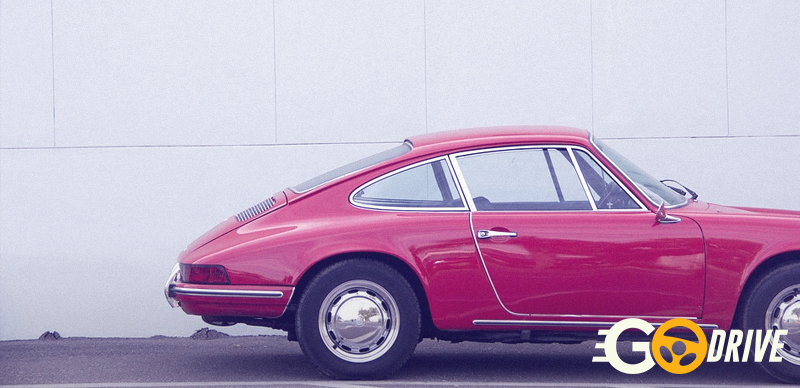
You gave it a more thorough view. Burgundy red. You prefer it scarlet but it’s acceptable. Looks quite nice for a preloved unit. Considering it’s only a few years old, as the sales guy said, it’s performance most probably is still great. But likely the most appealing feature? The price. Two-thirds the price of the same brand and model that’s brand new.

Now comes the dilemma. Your very first car: Is it a good idea for it to be preloved? Time slowed and your mind went back to this one GoDrive article that you have read a day ago. The Pro’s and Con’s of getting a preloved car were already known to you and you start to mentally enumerate them one by one:

Pros


– Not steering away from the obvious; the Price.

On the way home, after someone purchases a brand-new car, its  value already depreciates at an instant 91%. It further depreciates to 81% after a year, then 69%, until it reaches its 10th year when it’s no longer going to have any market value. Pre-loved units’ value even further depreciates depending upon its condition and mileage. With all these in consideration, it shouldn’t be shocking to find vehicles released 2-3 years ago to be on sale for about half the price of their original value during their first year. Very good news for a prospecting buyer of secondhand, right? After all, paying tens of thousands of pesos less just because a car is a year old is a huge plus. You also won’t be paying for exaggerated charges like shipping charge, the “Dealer Preparation” charge, sleazy hidden fees, etc.

In addition, this means that the return of investment could be faster and if you decide to sell the car in the future, you will be able to mark the selling price closer to its previous price when you bought it than the previous owner did when he sold it to you.

– Not that far off from the advantage of a cheaper car is the advantage of cheaper Insurance premiums.

You can be a damn good driver who has no chance of crashing… or you can be honest. Either way, your car would need insurance. But because with bigger depreciation comes smaller insurance premiums, you’d be paying way less than what you would be paying if you go for brand new.

– Want to customize your ride? Go for it. It’s guilt-free


Also, it costs much less since you can now do your own customization or you can have it done  cheap by a car shop that you trust. With a brand new car, you wouldn’t even be thinking of customization unless you want one from your dealer and you have lots of spare money to throw at them.

But it can’t be all good now does it? What should you be worried about when getting a pre-loved unit?

Cons


– The glaring problem, ironically, are the potentially Hidden Problems.

Especially if you’re buying from an individual seller. You can never be so sure whether the car is in tiptop shape and has never been in any accident as the seller would surely claim. You would have to take the seller’s words for it. Fortunately, you surely are buying from a company like GoDrive where vehicles are certified and thoroughly-inspected to make sure quality isn’t compromised for the price.

– Cheap customization means that your car no longer has warranty.

If there are problems that you failed to notice before the sale, you would have to fork out some of the money you saved from NOT buying a brand new car – unless of course you’re buying from a company that offers one for used-cars.

–  The older the model, the more car innovations that you’re going to miss out on.

With the current trend in technology that even the pandemic can barely slow down, new features for safety and convenience are and will keep on being released year after year. The new ones will always have the newest tech.

Color
One of the most overlooked disadvantages is that you’re most likely gonna have to settle with whatever color that the “perfect” secondhand car is. If you’re looking for a specific brand and model and you found one that’s in good condition and has good mileage, the stars have probably lined-up just for you if the car is also in a color that you prefer. Sure, a paint job is a minor hassle but some of the cash that you saved from going preloved will have to go. Not a very comfortable thought, but that’s still a lot more acceptable compared to just sucking it up and seeing your dream car everyday in a color that’s not quite dreamy.

Have you decided yet?


Now that you have remembered the things that you need to consider, time returns to its normal pace. You start to hear the salesman’s voice as it turns from muffled background noise into clear incessant hard-selling. Is it okay for your dream car to be preloved? It certainly can be. It can even be great! Now whether you decide to go for it or not, we sure know it’s from a guided decision, from knowing the pros and cons, weighing the benefits and risks and not from mere impulse.

Posted on

Can Your First Car be Preloved?

With all the bells, whistles, and attractive financing options that come with a new car, getting one seems the right thing to do. However, you have another option: used cars! There are lots of reasons why you should pick a secondhand car over a brand new one. Not only would it save you money, but it also brings with it many perks, some of which are laid out below.

Depreciated Value

A brand new vehicle’s value begins to depreciate the moment you take it out on the road, and it will continue to do so in subsequent days, weeks, months, and years. With pre-owned cars, however, this deflation has already occurred, allowing you to purchase a premium automobile at a fraction of its original cost.

Cheaper Insurance

Insurance prices for secondhand vehicles tend to be lower than those for new ones. That’s because it’s mainly based on the car’s current value. In short, the lower the value, the lower the insurance premium. Plus, insurance companies also factor in the car’s age, lowering the premium costs further.

No Exaggerated Fees

Say you opt for a brand new ride and you get offered a terrific bargain. You still won’t be able to enjoy it afterward since this great deal would come with hidden and crazy fees more likely than not. These charges include shipping and delivery, destination fees, and something that’s called “dealer preparation.” Thankfully, none of these exaggerated fees are included in almost all secondhand car purchases.

More Affordable Service

Whether you choose a new car or a used one, you’ll have to take it to the shop at some point. For secondhand vehicles owners, services for car maintenance and tune-ups tend to be more affordable and budget-friendly. In stark contrast, brand new automobiles have to be taken to its manufacturer for major and minor repairs, which could strain you financially.

Low Customization Costs

Should you also decide to get a pre-owned car, you won’t have to face any of those expensive dealership add-ons common in brand new car stores. Instead, you can buy and install these extras at your own pace and budget. Doing so would make you feel less harried as well as save you a lot of money.

Go Secondhand

Buying a pre-owned car might not seem as glamorous as going for a new one, but it’s still one of the wisest decisions you’ll ever make. So instead of going for that shiny ride being advertised on your TV, better choose the pre-owned yet still functional vehicle instead.
Posted on

Perks of Buying a Pre-Owned Car

A lot of aspiring car owners and motorists tend to look for a pre-owned car instead of a new one because it helps them save money. Still, you need to be careful when buying a secondhand car since it may come with hidden risks or damaged components. To help you out, below is a list of reminders when inspecting a used car before buying it.

Don’t Buy During Nighttime

Never visit a car dealership at night to check out their models. Instead, you should visit during daylights hours. You need to see your preferred ride in good sunlight. Doing so would enable you to check whether or not its panels are aligned or tampered. If it’s uniform, then the vehicle is good to go. Otherwise, it’s on its way out.

Check the Tires

Tires are essential when you’re checking out pre-owned cars. You need to make sure that the vehicle you’re going to pick doesn’t have worn out tires; otherwise, you might end up spending more than you intend to. You also need to inspect whether or not the wheels are correctly aligned, as feathered or cupped tires indicate that it’s not in tip-top condition.

Check the Car’s Fluids

Open the car’s hood and inspect the liquids circulating within, including the transmission fluid, the engine oil, and the brake fluid. If the transmission fluid is reddish and does not smell, then it’s good to go. The same goes for the engine oil, although it’s not always a tell-tale sign that the car you want to buy is in good shape. And a full brake reservoir indicates that the vehicle has functional brakes (you also need to take this with a grain of salt since this is not always a sure sign).

Inspect the Belt

The vehicle’s timing belt is also critical to look out for if you plan to buy secondhand. It needs to be relatively unused before you make a purchase. Otherwise, you might leave yourself vulnerable to car trouble in the future.

Inspect the Coolant

Car antifreeze or coolant not only regulates a car’s engine during extreme temperatures, but it also helps maintain proper fluid levels in a vehicle and help prevent its parts from corroding. So best make sure the car’s coolant container has optimal amounts of the liquid before you proceed with purchasing it.

One Last Tip

Keeping in mind the parts listed above will help keep you from buying a vehicle that’s going to be a problem down the road. But before you buy a car, here’s one bonus bit of advice: Once you find a vehicle that you like and you’re interested in it, call a parts store first. Ask if there’s a lot of parts ordered for the model you’re targeting (i.e., wheel bearings, brake pads, etc.). That way, you’ll know if the car currently in the dealership has recently had its parts replaced.

To shop now for the best used cars in the Philippines click here.

Posted on

Checking A Used Car You’d Like To Purchase